Understand the Real Problem Before You Build the Solution
I do not start with a framework and look for places to apply it.
I start with how the organization actually works. Where decisions are made. Where work slows down. What depends on individual knowledge. What leadership can see. What managers are compensating for. Which systems help and which ones create more work.
Then we decide what actually needs to change.
Practical work, in a clear sequence.
Start by understanding the system, then improve the parts creating the most friction.
Diagnose the problem
Separate the visible symptom from the operating, leadership, or technology issue creating it.
Map the environment
Look at process, systems, reporting, ownership, decision-making, and management behavior.
Prioritize high-leverage issues
Focus first on what creates the most drag, risk, delay, or executive dependency.
Build lasting capability
Make improvements sustainable so the organization can keep working as the engagement gets lighter.
A problem can look obvious and still be the wrong problem.
An employee misses deadlines, so the conclusion is a performance problem.
Then you discover the work enters through three systems, priorities change without a clear owner, nobody knows which deadline is real, and every exception requires executive approval.
That is not one employee’s performance problem.
The first responsibility of the work is to understand the environment well enough to know what kind of problem you are actually solving.
The method is disciplined. The answer is not predetermined.
Map before changing.
I cannot fix a system I have not yet mapped. The early phase is intentionally heavier because understanding how work, information, technology, decisions, and people connect comes before redesign.
Separate symptoms from causes.
A people problem can be a process problem. A technology problem can be an implementation problem. A management problem can be a decision-rights problem. We test the explanation before building the intervention.
Prioritize leverage, not activity.
Not every inefficient process deserves immediate attention. The first priority is the issue creating the greatest drag, risk, bottleneck, or executive dependency.
Work with the people who run the system.
The people closest to the work usually know where the friction is. Sustainable change is more likely when the people who will live with the new operating model are part of understanding and improving it.
Change behavior when the system requires it.
A better process will not survive if managers continue escalating every decision, avoiding accountability, or working around the new structure. Operational improvement and management development sometimes need to happen together.
Build for independence.
The goal is not an organization that works because Grant is involved. The goal is an organization that continues to work as his involvement decreases.
An operating problem is usually a system of connected issues.
The diagnostic starts with the parts of the organization that can create or amplify friction.
I look at how work gets done, who owns outcomes, what systems support the work, what leadership can see, how decisions are made, and how managers behave inside that structure.
The point is not to analyze everything forever. It is to find the few relationships that explain the most about what is going wrong.
From uncertainty to a stronger operating model.
The exact work changes by organization, but the sequence is consistent enough to create discipline without forcing every company into the same solution.
Understand
Learn what leadership is seeing, what employees are experiencing, and what the organization believes the problem is.
Map
Trace workflows, systems, reporting, decision paths, responsibilities, handoffs, and management behavior.
Prioritize
Identify the issues creating the greatest friction, risk, rework, delay, escalation, or dependency.
Implement
Work alongside leadership and the operating team to change the process, system, ownership model, reporting, or management practice.
Sustain
Build the documentation, management habits, visibility, accountability, and operating rhythms needed to keep the improvement working.
The work follows the problem, not the job title.
A fractional engagement may move across several parts of the organization because the issues are often connected.
Operational Structure
Clarifying roles, responsibilities, ownership, decision rights, escalation paths, and how the organization expects work to move.
Process Improvement
Understanding the current workflow, removing unnecessary friction, improving handoffs, and documenting processes people can realistically follow.
Systems & Technology
Evaluating whether software, integrations, and operational tools support the work and helping lead changes when the technology and process are misaligned.
Reporting & Visibility
Determining what leadership actually needs to know, what should be measured, and how information should move through the organization.
Cross-Functional Execution
Improving priorities, handoffs, communication, and coordination when work crosses departments or functions.
Management Effectiveness
Helping managers delegate, hold people accountable, make decisions, manage upward, and lead effectively inside the improved operating environment.
Sometimes the answer is operations. Sometimes it is leadership. Often the diagnostic tells you which one actually matters.
When the operating environment is the main constraint.
This path is usually the better fit when the primary issues involve systems, process, reporting, technology, ownership, cross-functional execution, or operational scaling.
- Long-term and part-time rather than short-term backfill
- More intensive at the beginning while the operation is mapped
- Embedded involvement in implementation
- Designed to improve the underlying operating model
When the operating environment works, but the manager needs to operate differently inside it.
This path is usually the better fit when the main opportunity is delegation, accountability, difficult conversations, employee engagement, managing upward, executive communication, or strategic leadership.
- Weekly coaching cadence
- Six-month standard engagement
- Individual or cohort formats
- Built around real workplace situations
More process for the sake of process.
The goal is not to make the organization more bureaucratic. It is to make the operation clearer, more reliable, and easier to lead.
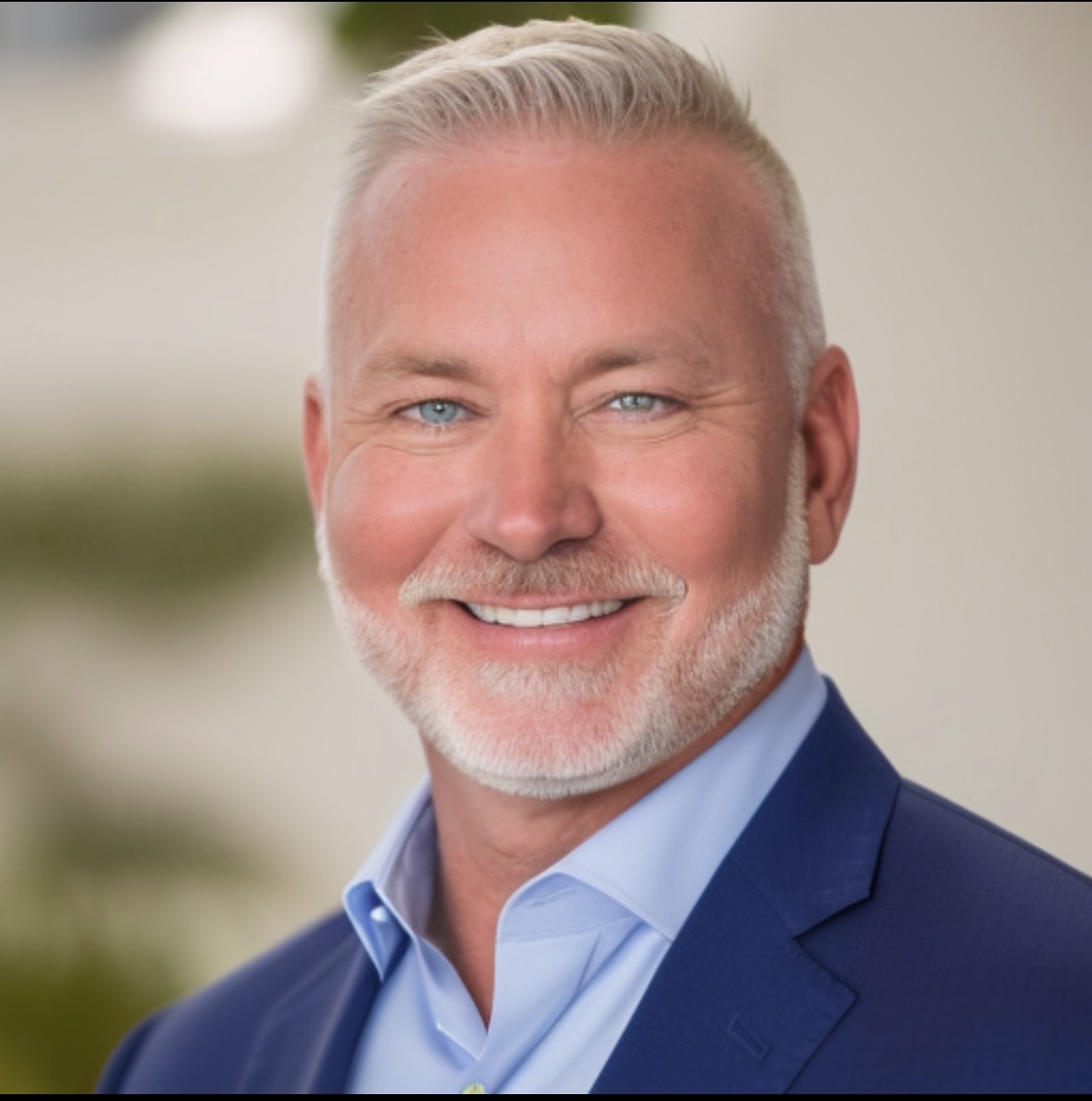
Built from twenty-seven years of operating inside real organizations.
Grant’s approach comes from operating across software and SaaS, implementations, integrations, support, customer success, infrastructure, growth, call centers, and senior corporate leadership.
Those environments teach the same lesson repeatedly: operational problems rarely stay inside one department, and leadership problems rarely exist outside the system the leader is trying to manage.
The work is designed to see both.
How Grant’s approach works in practice.
How does Grant Garris approach a fractional operations engagement?
Grant begins by understanding how the organization actually operates. He maps processes, systems, reporting, ownership, decision-making, and management behavior, identifies the highest-leverage problems, then works alongside leadership to implement practical improvements and make them sustainable.
Why diagnose the problem before recommending a solution?
Because the visible symptom is not always the root cause. A management problem may be created by unclear processes, a technology problem may be an implementation problem, and an operational bottleneck may be caused by unclear ownership or decision rights.
How is Grant’s approach different from traditional consulting?
Grant’s approach is more embedded than a traditional advisory engagement. He does not primarily deliver recommendations and leave implementation to the client. He works alongside leadership during the change and remains involved long enough to help the new operating model take hold.
Does Grant use the same framework for every company?
No. The diagnostic discipline is consistent, but the priorities and solutions depend on how each organization actually operates. The goal is not to force the company into a predetermined framework.
How does leadership coaching fit into the approach?
When managers need to lead differently for operational improvements to work, Grant can combine management development with operational leadership. Coaching focuses on real workplace situations such as delegation, accountability, difficult conversations, managing upward, decision-making, and strategic communication.
How long does a fractional engagement last?
There is no single duration that fits every company. Grant’s preferred engagements are sustained and part-time, with heavier involvement early while the operation is being understood and improved, followed by lighter and more focused involvement as the operating model becomes stronger.
What is the goal of the engagement?
The goal is a stronger operation that can continue working as Grant’s involvement decreases. That can include clearer ownership, better processes, improved reporting, stronger systems, more effective management practices, and better decision-making.
Not sure whether the issue is operations, leadership, or both?
The Fit Assessment takes about three minutes and helps identify which type of support may make the most sense before you schedule a conversation.