Senior Operating Leadership for Companies That Have Outgrown the Way They Work
As an organization grows, familiar ways of working can stop keeping pace. Decisions pile up at the top. Teams develop different ways to handle the same work. Customers and employees feel the friction. Leaders have less visibility, and progress depends too much on a few people keeping everything moving.
I provide fractional operations leadership for growth-oriented companies that need experienced executive ownership without adding another full-time executive.

What Fractional Leadership Is
Fractional operations leadership is a long-term, part-time arrangement where an experienced operations executive helps diagnose, improve, and lead the way a business operates. Executive ownership, without immediately adding another full-time executive.
The term many companies use is fractional COO. The title matters less than the responsibility. The role is not there to observe from the outside. It is there to take ownership of meaningful operational outcomes and work alongside leadership until the changes can hold.
What I Can Own
Fractional operations leadership is most valuable when the issue crosses functions and needs one experienced operator to connect the pieces. The work follows the business problem.
Operations
Structure, process, accountability, execution, and operating rhythm.
Customer Experience
Consistent service, stronger handoffs, clear ownership, and fewer avoidable customer frustrations.
AI and Automation
Reduce redundant work, errors, and unnecessary manual dependence.
Leadership
Develop the managers who will ultimately run the improved operation.
The Business Is Real. The Operating Model Has Not Caught Up Yet.
Many growth-oriented companies reach a stage where revenue, customers, headcount, complexity, or organizational change have moved faster than the systems used to run the business.
The company does not necessarily need another permanent executive yet. It may need fractional operations leadership to diagnose the problem, strengthen the operation, develop the management layer, and create a model that can scale.
Growth is exposing weak infrastructure
Processes, systems, reporting, and accountability that worked at the previous size are starting to create rework, inconsistency, and dependency.
The customer experience is inconsistent
Promises, handoffs, delivery, issue resolution, and communication no longer work consistently across teams or locations.
Leadership is too involved in operational decisions
Too many decisions, exceptions, escalations, and follow-ups continue to move upward because ownership and decision rights are unclear.
Manual work is scaling faster than value
Employees are spending too much time on repetitive work, duplicate entry, manual handoffs, avoidable errors, and tasks that could be redesigned or automated.
The Work Can Cross Functions Because the Problem Usually Does
The work is shaped by the operating problem, not by an industry label. I help leadership connect people, decisions, processes, systems, and performance across the business.
Operations and organizational effectiveness
Clarify ownership, decision rights, operating rhythms, accountability, workforce planning, cross-functional coordination, and the structure needed for the company to operate at its current size.
Delivery and cross-functional handoffs
Improve how commitments become delivered results, including team handoffs, timelines, capacity, ownership, and communication between departments.
Service and operational consistency
Reduce recurring breakdowns and exceptions, improve service standards and staffing practices, and make day-to-day execution more reliable.
Customer and employee experience
Make the experience more consistent by clarifying responsibilities, removing internal friction, and improving how teams respond when expectations or outcomes are at risk.
AI and automation transformation
Identify where automation and AI can eliminate redundant work, reduce errors, improve self-service, and allow teams to focus on higher-value activities.
KPIs and operating cadence
Define what leadership actually needs to know, create meaningful performance measures, and establish the review rhythms that turn reporting into management action.
Systems and process improvement
Align tools and workflows with how the business needs to operate, remove unnecessary steps, and document practices people can actually follow.
Leadership development
Develop managers, directors, and executives in accountability, delegation, communication, decision-making, performance management, managing upward, and team effectiveness.
Heavier at the Beginning. More Focused as the Organization Gets Stronger.
A thirty-day assessment can identify problems. Meaningful operational change usually takes longer. I generally consider three months a practical minimum, with six months often ideal for meaningful transformation.
Understand
The initial phase is intentionally the most intensive.
I map people, process, systems, customer experience, reporting, ownership, performance, decision paths, management capability, and the places where work is quietly depending on individual heroics.
Prioritize
Once the operating environment is understood, leadership agrees on the few issues that matter most. The work focuses first on what is creating the greatest risk, friction, delay, customer impact, or executive dependency.
Implement
I work alongside the leadership team and the people who run the business to improve the process, system, reporting, ownership model, customer experience, automation, or management practice that needs to change.
Strengthen
The engagement becomes lighter as the internal team becomes stronger. Managers handle situations that used to escalate. Operating rhythms become normal. Accountability is clearer. The company becomes less dependent on outside leadership.
Part-Time Is the Model, Not a Compromise
Fractional operations leadership works because the hours are deliberate rather than leftover. Four things define how an engagement runs.
More intensive at the start
I typically expect the initial assessment, stabilization, or transformation period to require roughly 15 to 25 hours per week, depending on complexity.
Lighter ongoing involvement
Once the initial work is established, ongoing engagement typically settles around 8 to 15 hours per week across execution, oversight, coaching, and optimization.
Three months minimum
Thirty days can diagnose a problem. It usually cannot implement the change, develop leaders, establish operating rhythms, measure results, and make the improvement stick. Six months is often the stronger transformation window.
Limited active clients
I intend to work with roughly three to four active fractional clients at a time so each engagement receives executive-level attention rather than becoming a block of purchased hours.
The longer the right operator stays involved, the less time gets wasted relearning why the business works the way it does.
By month four, I know which process changed and why. Which dashboard looks good but does not match reality. Which manager is growing and which one needs help. Which handoff breaks under pressure. Which initiative leadership thought was finished but never became normal operating behavior.
That institutional knowledge is one of the biggest differences between sustained fractional operations leadership and repeated short consulting engagements.
The Goal Is Not Permanent Dependency
Fractional operations leadership succeeds when it makes the organization strong enough that my involvement can eventually become smaller, different, or unnecessary.
Continue
The structure continues to make sense and the organization still benefits from sustained part-time executive leadership.
Reduce
The operation gets stronger and my involvement decreases as managers, systems, and operating rhythms take greater ownership.
Graduate
The company grows into needing a permanent executive. I can help define the role, support the hiring process, onboard the new leader, and transfer what I have learned.
The Right Problem Is Only Part of the Fit
Growth, complexity, and leadership are creating operational strain
- The business has outgrown its current operating model.
- Customer experience or service delivery is inconsistent.
- Leadership wants stronger accountability, KPIs, and operating cadence.
- There are meaningful opportunities for AI or automation.
- Executive leadership is willing to sponsor real change.
- I can access the people, systems, and information needed to understand the problem.
- Leadership wants diagnosis, strategy, implementation, and stronger internal capability.
The engagement conditions do not support meaningful change
- You mainly need an extra pair of hands or a long-term individual contributor.
- Leadership wants validation rather than an objective diagnosis.
- The company expects results without providing access or authority.
- Leadership is unwilling to change processes, roles, technology, or management behavior.
- You need someone in the seat forty hours a week indefinitely.
- The primary need is a narrow specialist project another expert would serve better.
If I Am Accountable for an Outcome, I Need Enough Authority to Achieve It
I do not need direct authority over every team involved. I do need executive sponsorship, access to the right people and information, and enough decision-making authority or direct access to the person who has it to drive the outcome I am being asked to own.
This is not about hierarchy for its own sake. It is about making sure responsibility and authority are not separated from each other.
Twenty-Seven Years of Operating Inside Complex Organizations
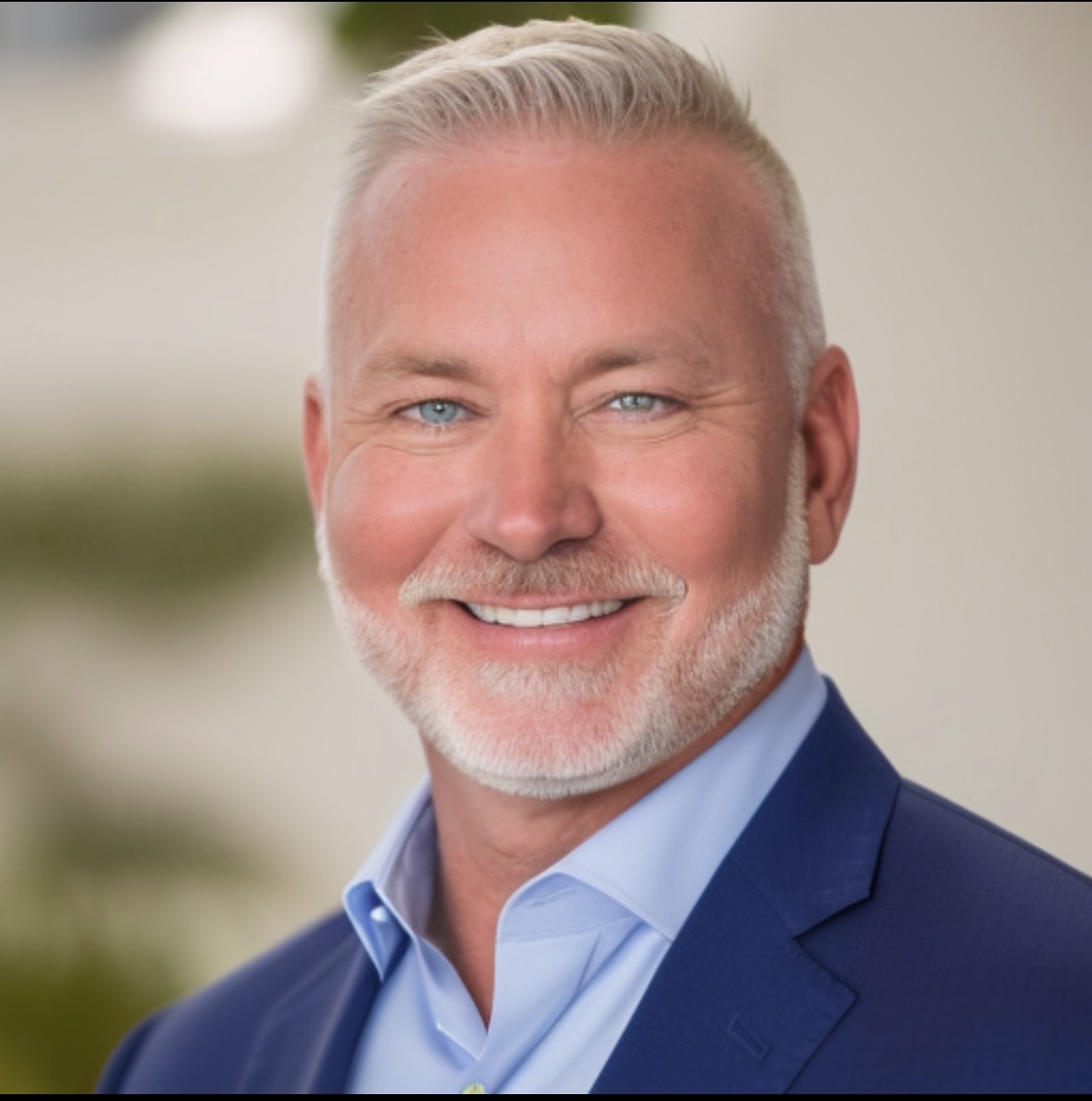
I am Grant Garris, based in Orlando, Florida. Over more than twenty-seven years in corporate leadership, I have helped organizations navigate complex operations, growth, service delivery, organizational change, and the challenge of building stronger teams. My experience includes large service organizations and technology businesses, though the fractional work is not limited to either.
I have led teams of two hundred and more and carried revenue responsibility up to three hundred million dollars.
My strongest fractional work is not simply making recommendations. It is diagnosing problems, developing strategy, driving meaningful change, strengthening leaders, and building systems that continue working as my involvement decreases.
Fractional Operations Leadership, Explained Clearly
What is a fractional COO?
A fractional COO is an experienced operations executive who works with a company part-time on an ongoing basis instead of joining full-time. The company gets senior operational leadership without carrying a full executive salary or commitment. I use the broader term fractional operations leadership because the actual work may cross operations, customer experience, implementation, service delivery, leadership development, automation, and other functions.
How is fractional leadership different from an interim executive?
Interim leadership usually fills a vacant executive seat at or near full-time hours until a permanent hire starts. Fractional leadership generally uses fewer hours over a longer period and focuses on sustained operational improvement. I will consider interim work selectively during leadership transitions, rapid growth, restructuring, operational crises, acquisitions, integrations, or major transformations.
How is fractional leadership different from consulting?
Consulting often ends with recommendations. My fractional work stays involved in implementation, decision-making, accountability, leadership development, and the ongoing operation. The goal is not simply to identify the right answer. It is to help make the improvement work in practice.
How many hours a week does an engagement take?
The initial assessment, stabilization, or transformation period typically requires about 15 to 25 hours per week depending on complexity. Once the initial work is established, the engagement generally shifts toward roughly 8 to 15 hours per week across execution, oversight, coaching, and optimization.
How long is the minimum engagement?
I generally consider three months a practical minimum, with six months often ideal for meaningful transformation. Thirty days can be enough to diagnose a problem, but it usually is not enough to implement changes, develop leaders, establish operating rhythms, measure results, and make the improvement stick.
What size company is this built for?
There is no single revenue or headcount threshold. The stronger indicator is that the company has reached a level of growth or complexity where its people, processes, customer experience, leadership, or operational infrastructure need to mature.
Is fractional operations leadership limited to a particular industry?
No. The fit depends on the operating challenge and the organization’s willingness to address it, not its industry. I work with growth-oriented companies that need clearer accountability, more reliable execution, better experiences, stronger managers, or an operating model that can keep pace with change.
Can AI and automation be part of the engagement?
Yes. I look for practical opportunities to use automation and AI to eliminate redundant work, reduce errors, improve self-service, and allow teams to focus on higher-value activities. The technology is evaluated as part of the operating model rather than treated as a standalone trend initiative.
Can fractional leadership and management coaching happen in the same company?
Yes. Frequently that is the strongest arrangement. The model is to fix the operation while developing the people who will ultimately run it. Leadership development can be integrated into the fractional engagement when managers need to lead differently for the operational changes to last.
What happens when we no longer need fractional leadership?
The arrangement can continue, reduce as the organization gets stronger, or graduate into a permanent executive role. If the company grows into needing a full-time operations executive, I can help define the role, support recruiting and interviews, onboard the new leader, and transfer institutional knowledge.
Find Out Whether Fractional Leadership Is the Right Structure
The fit assessment takes about three minutes and helps determine whether the strongest next step is fractional operations leadership, management coaching, a combination of both, or something else.